Lovebytes
An offline device that helps couples stay deeply connected
Role
Technical Designer
Duration
3 Months
Team
1 Researcher, 1 Technical Designer, 2 Industrial Designers
Overview
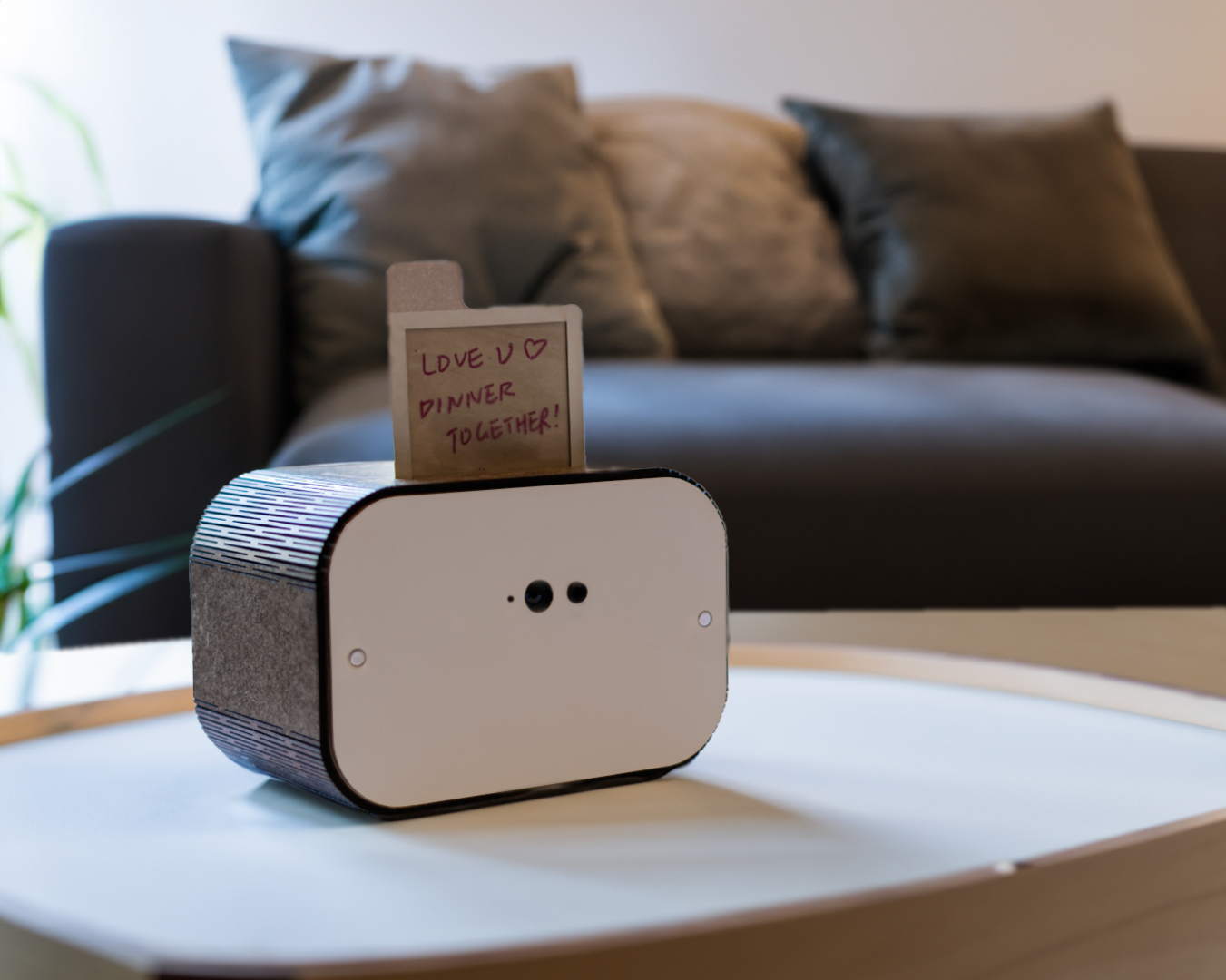
Lovebytes is an offline device that lets couples living together leave each other short video messages, no phones or apps involved.
The idea was to give partners a way to connect that doesn't compete with everything else pulling their attention, something that feels more like leaving a note than sending a text.
Tools: Figma, Illustrator, Python, Laser Cutter.
A glimpse into the world of Lovebytes
Key Interactions
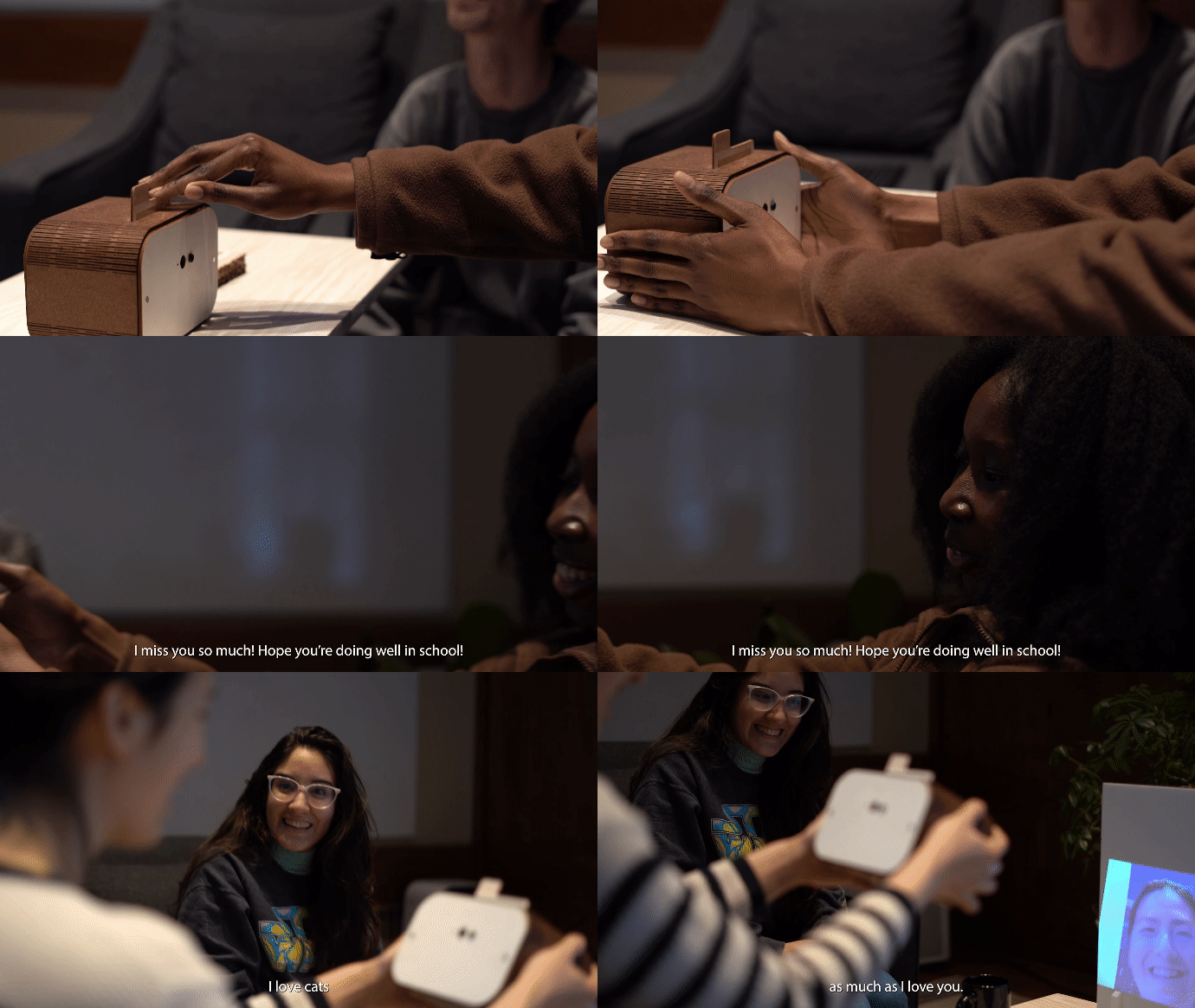
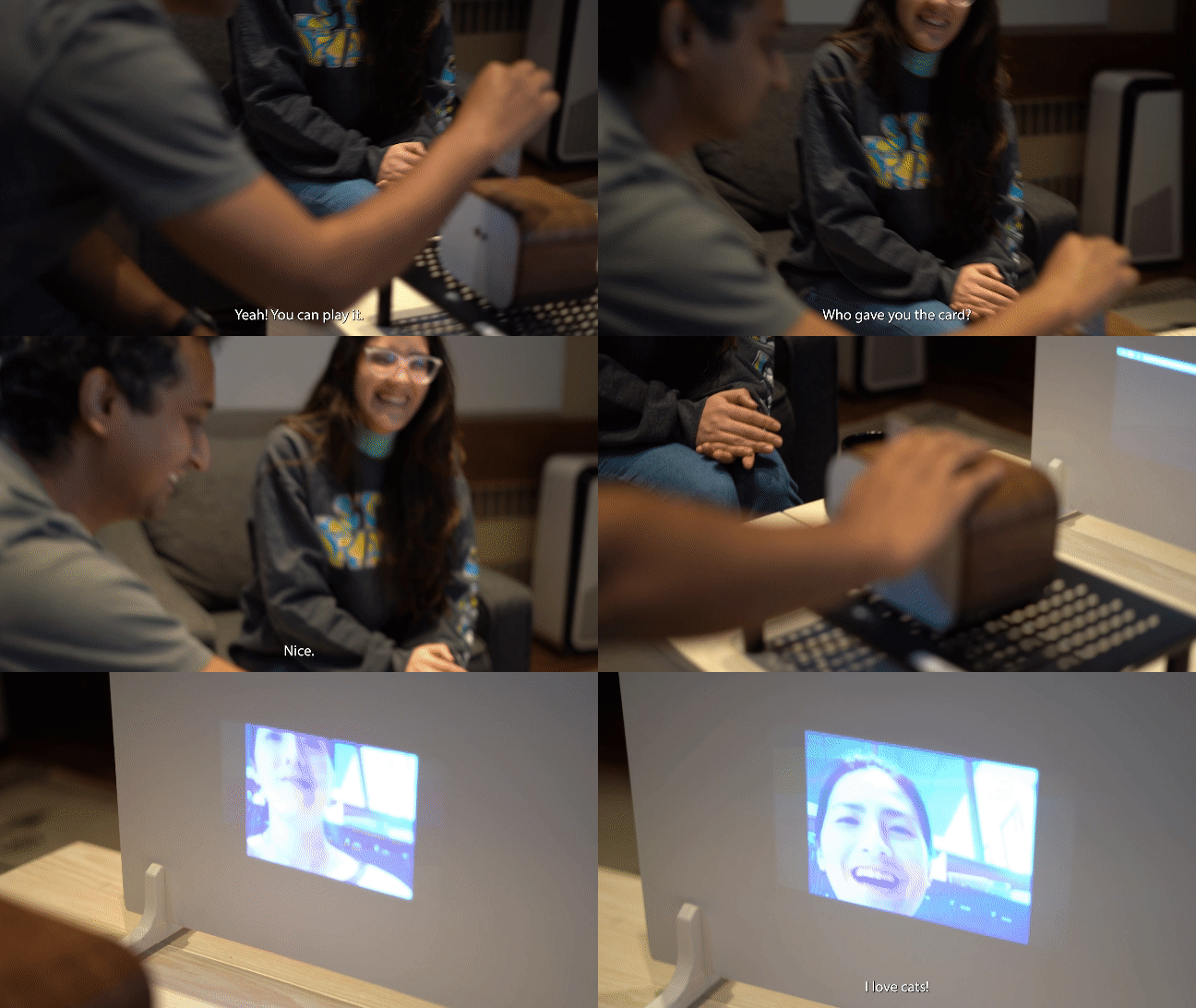
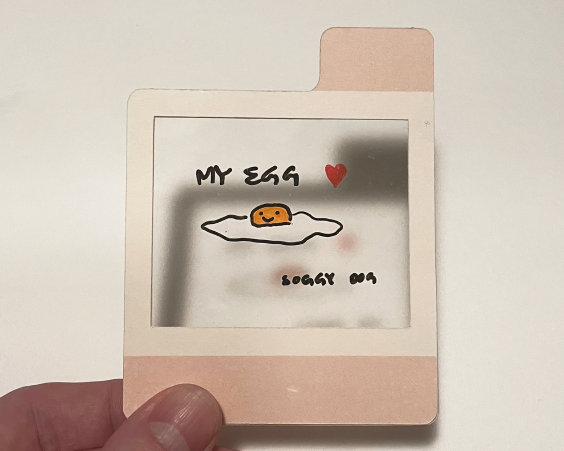
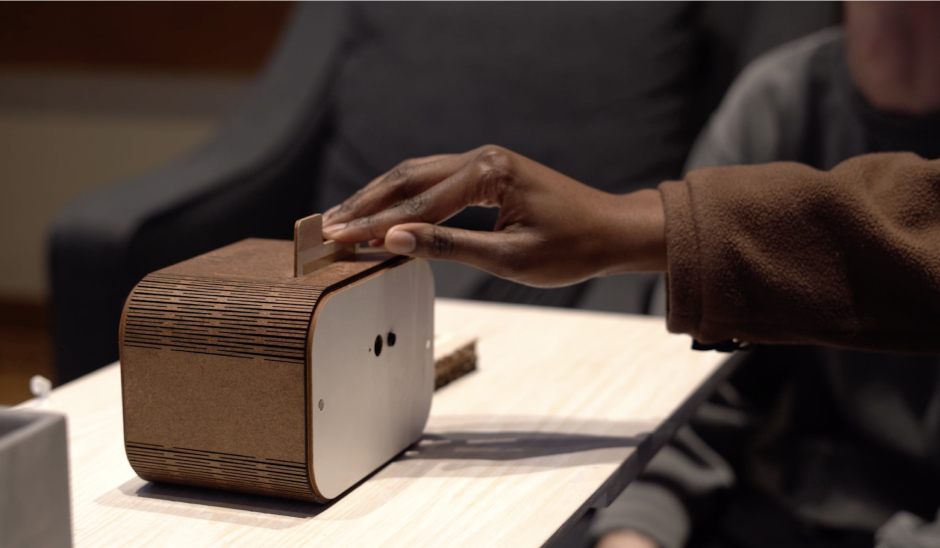
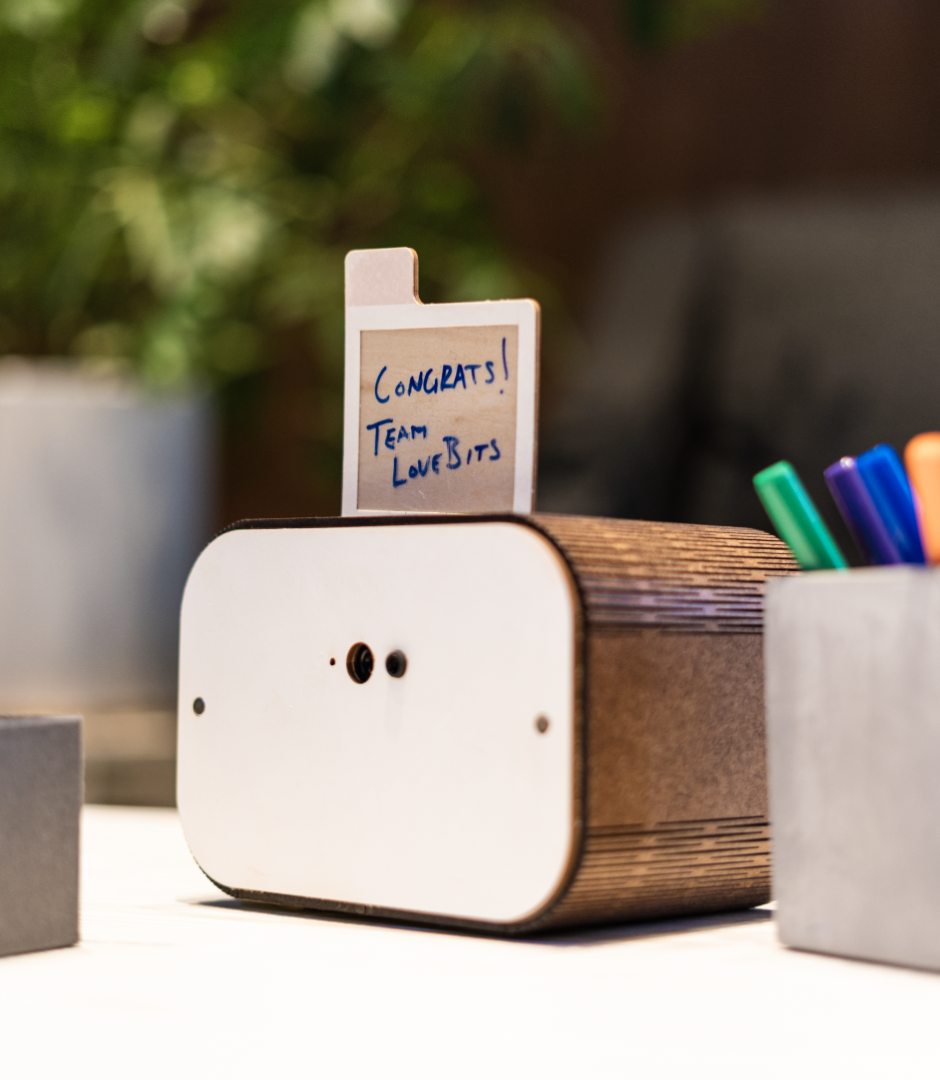
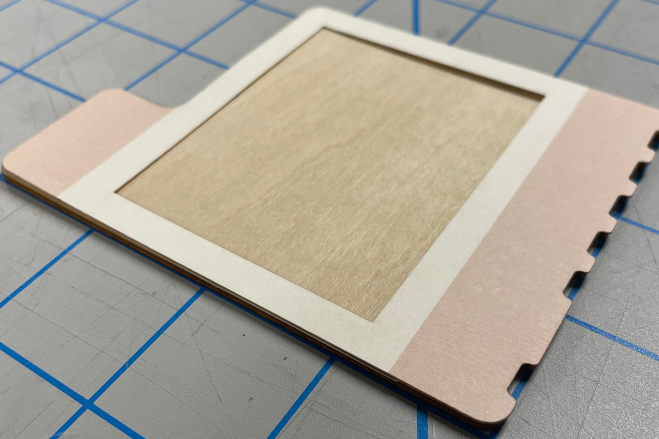
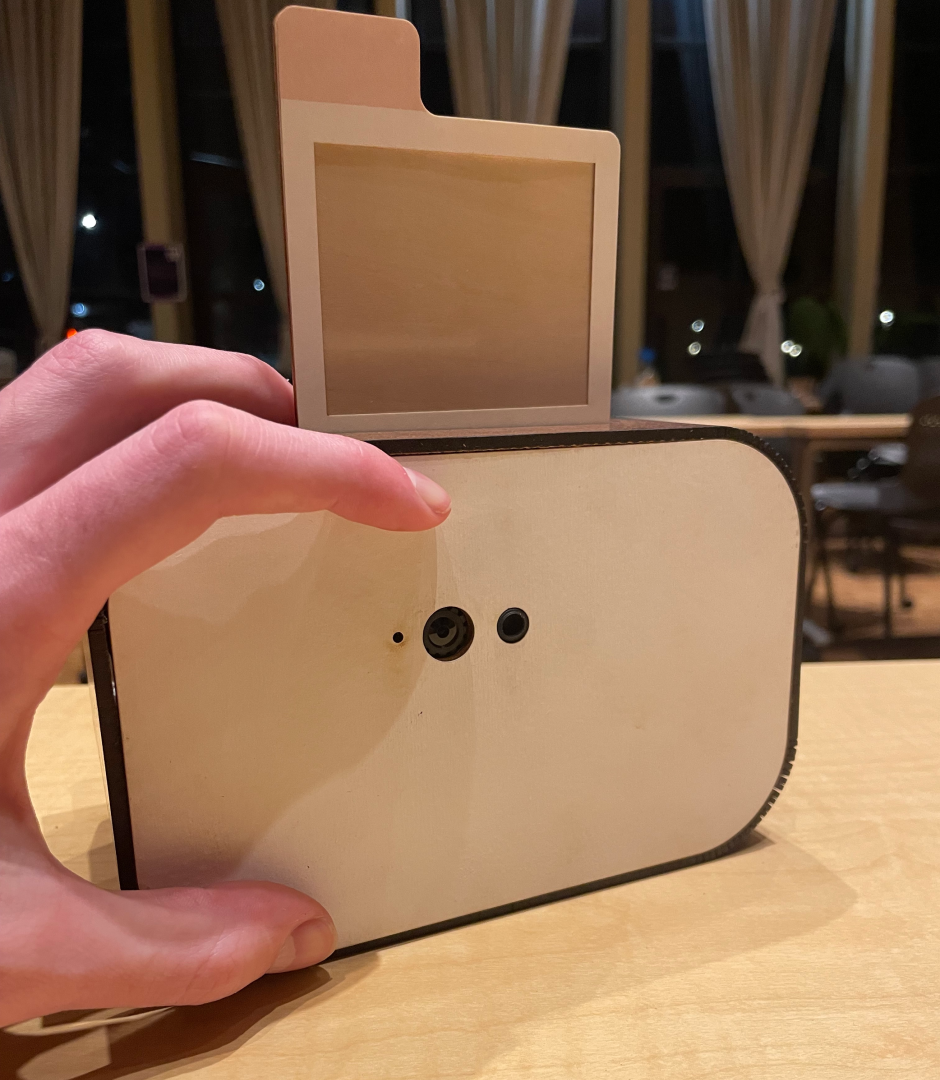
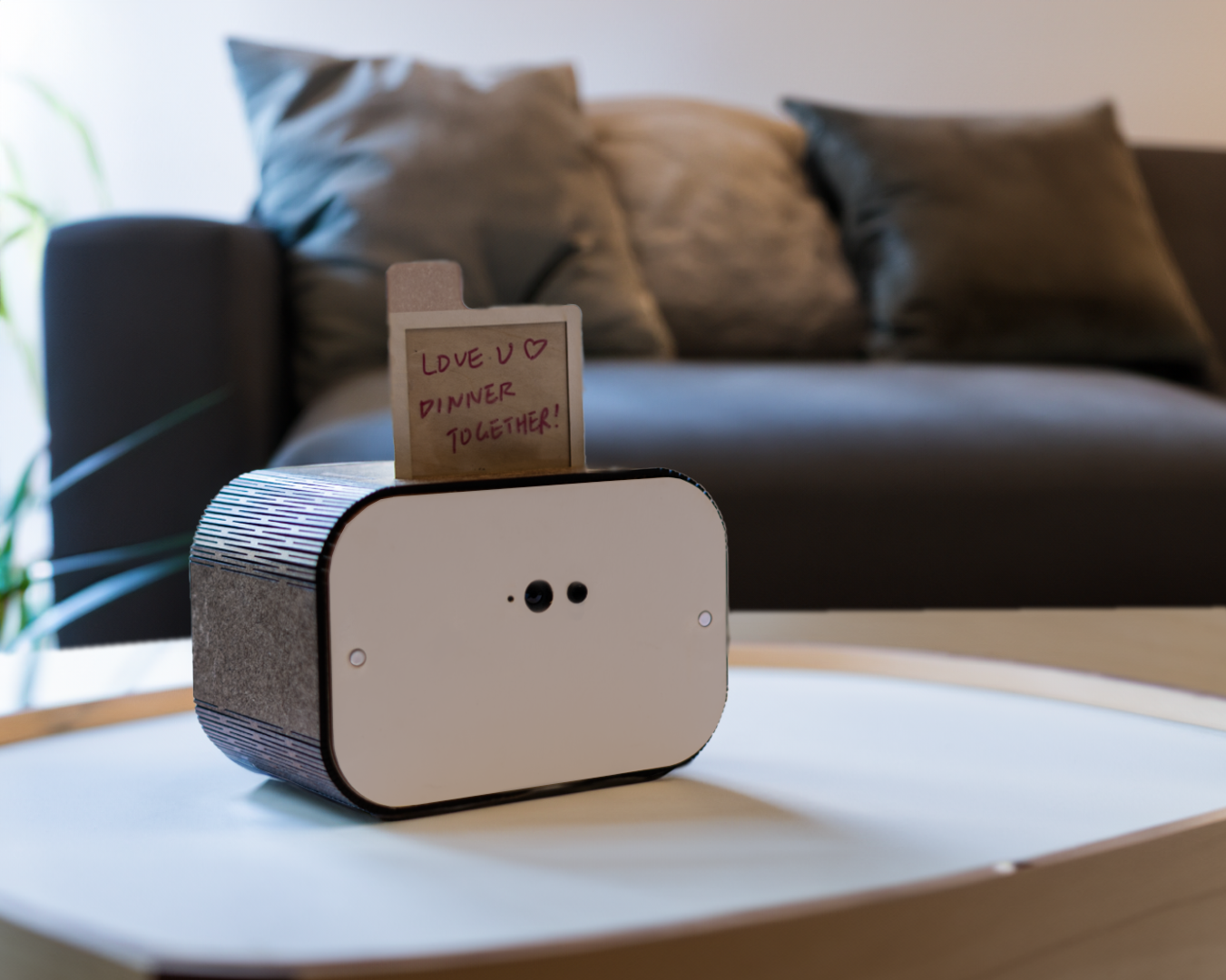
Leaving a Message: partners draw or write on a unique "byte" designed to resemble a Polaroid picture but sturdy and made to last for life. Each card is unique — when inserted into the device for the first time, the user records a 15-second video for their partner. Through testing we found users gifting bytes by hand, orchestrating scavenger hunts, and even stashing cards around the house to surprise their partner.
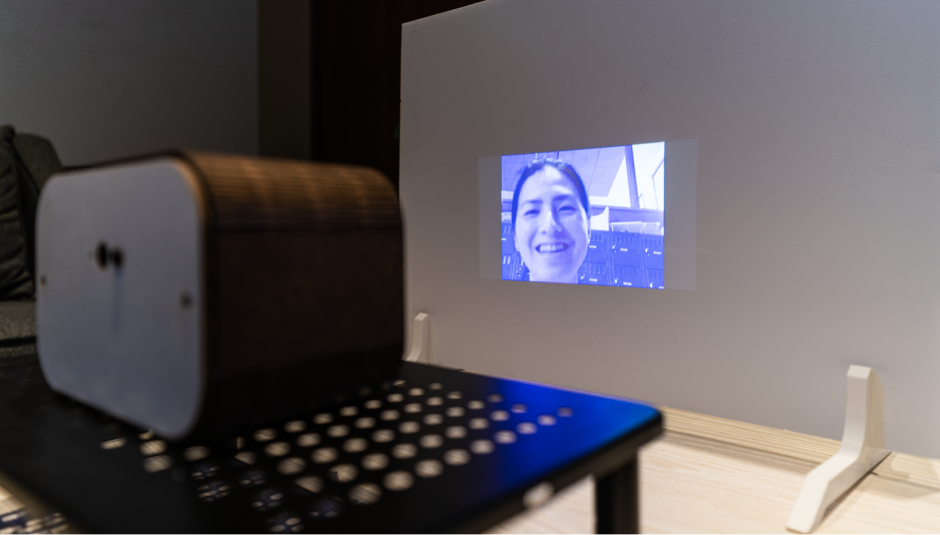
Receiving a Message: once a video message is recorded onto a card, the user leaves the card in the device's slot — an analog notification that there's an unread note. The partner can read the card and press it down to replay the video message through a projector. The association between the video and the card is permanent, and the device plays the same message the next time the card is inserted. Cards are sturdy and designed with an index tab, letting users store and catalog their favorite messages.
Situation
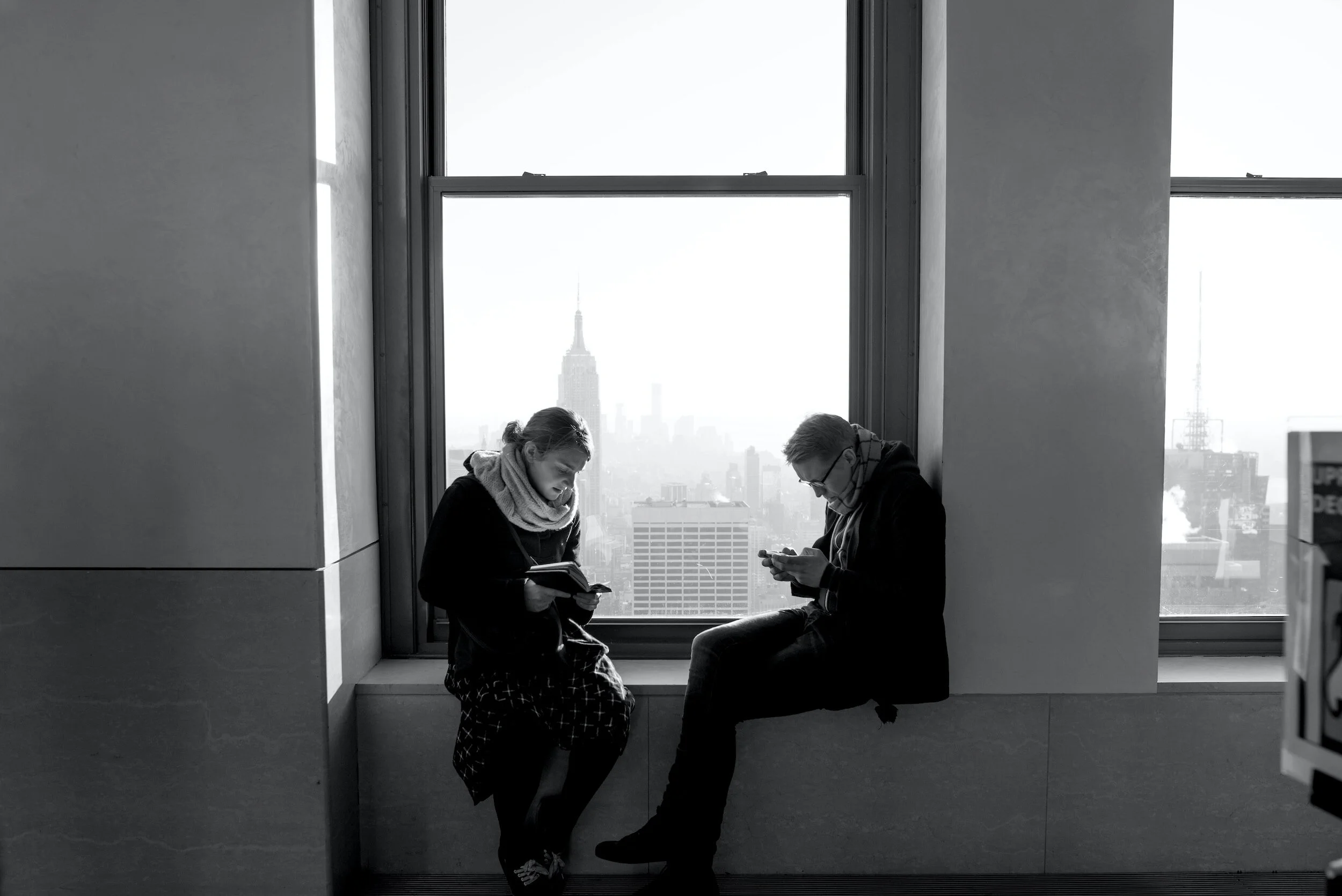
Couples living together still end up disconnected simply from lack of time. According to the U.S. Bureau of Labor Statistics, almost half of marriages in the U.S. are dual-income households, and about 16% of workers have non-traditional schedules, so partners often work conflicting shifts with little overlap for quality time.
The average American works around 47 hours a week. That's a lot of hours that aren't going toward the relationship. Communication research backs up what seems obvious here: it's not just what you say, it's the written notes, the tone of voice, the facial expressions, all of it.
Early concept exploration
Objective
The goal was to build an analog tool that gives couples living together a way to connect that actually feels personal, not just another device.
Taking it offline means partners aren't competing with notifications and screens when they're trying to reach each other. It's a small, deliberate way to bring a sentimental gesture into a mostly digital relationship.

Defining the project objective
Ideation
As a team, we began by conducting a thorough analysis of existing home care products to gain insight into their strengths and weaknesses, identifying opportunities for improvement. My primary responsibility was to evaluate the feasibility of the ideas generated and explore potential avenues for their realization.
We sketched and refined more than 12 different concepts, mapping out how each one would actually function and where it would add value for users. Lovebytes stood out as the concept with the strongest alignment to our goals, and honestly, the one we were most excited to build.
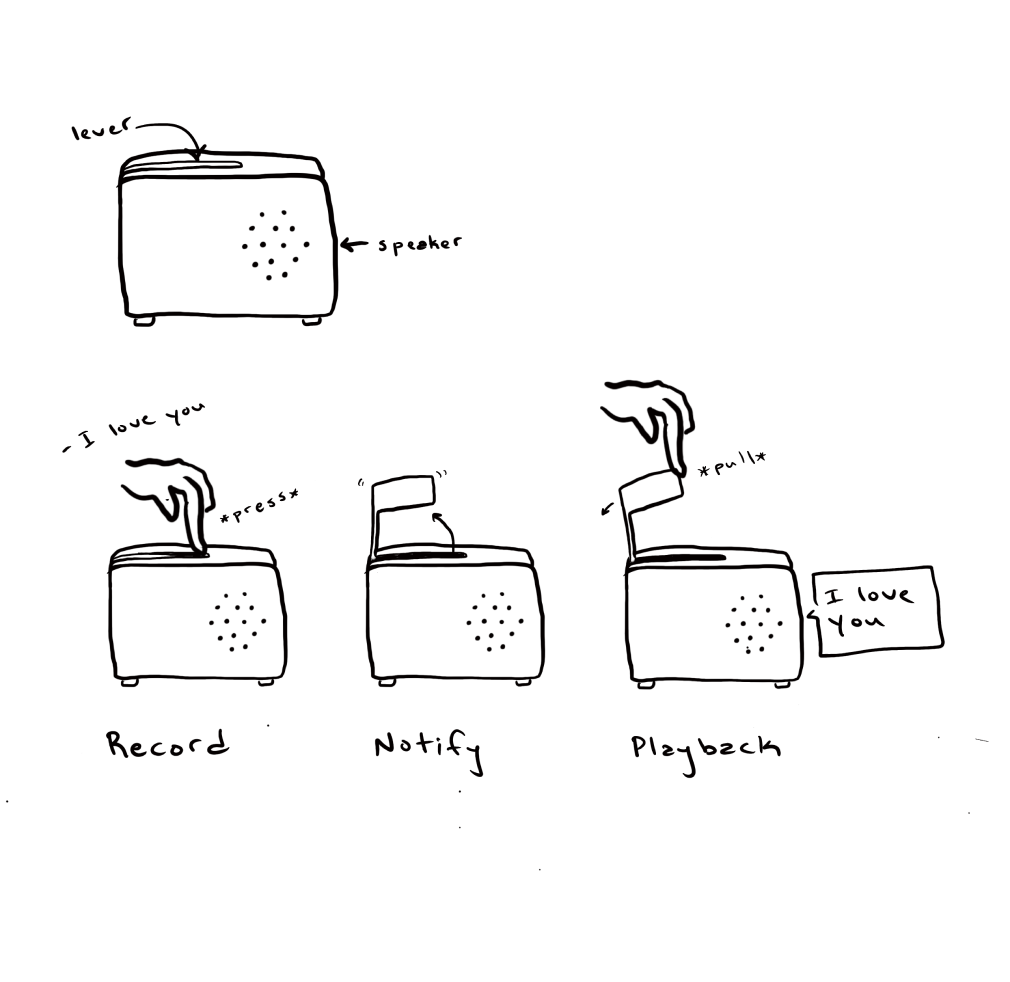
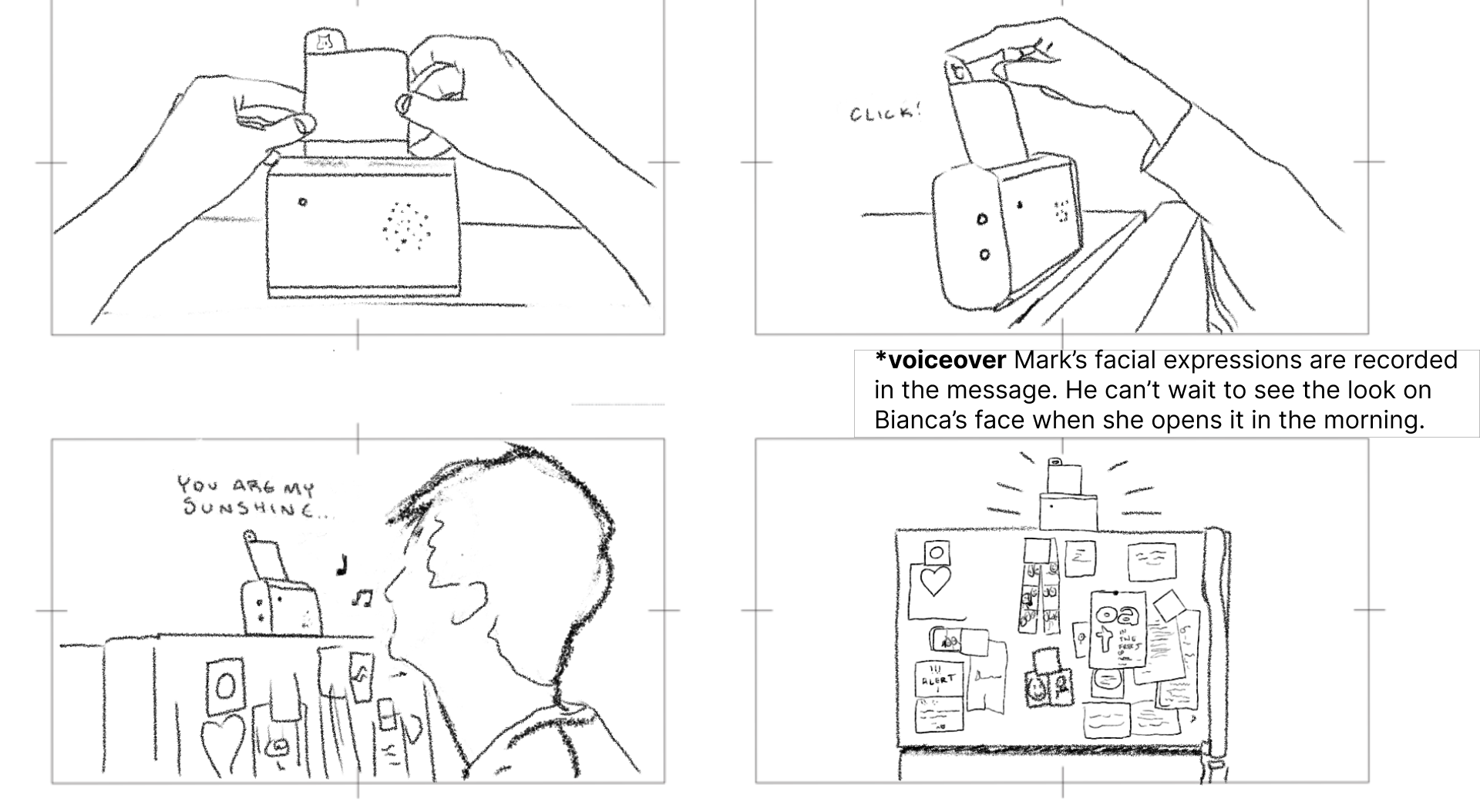



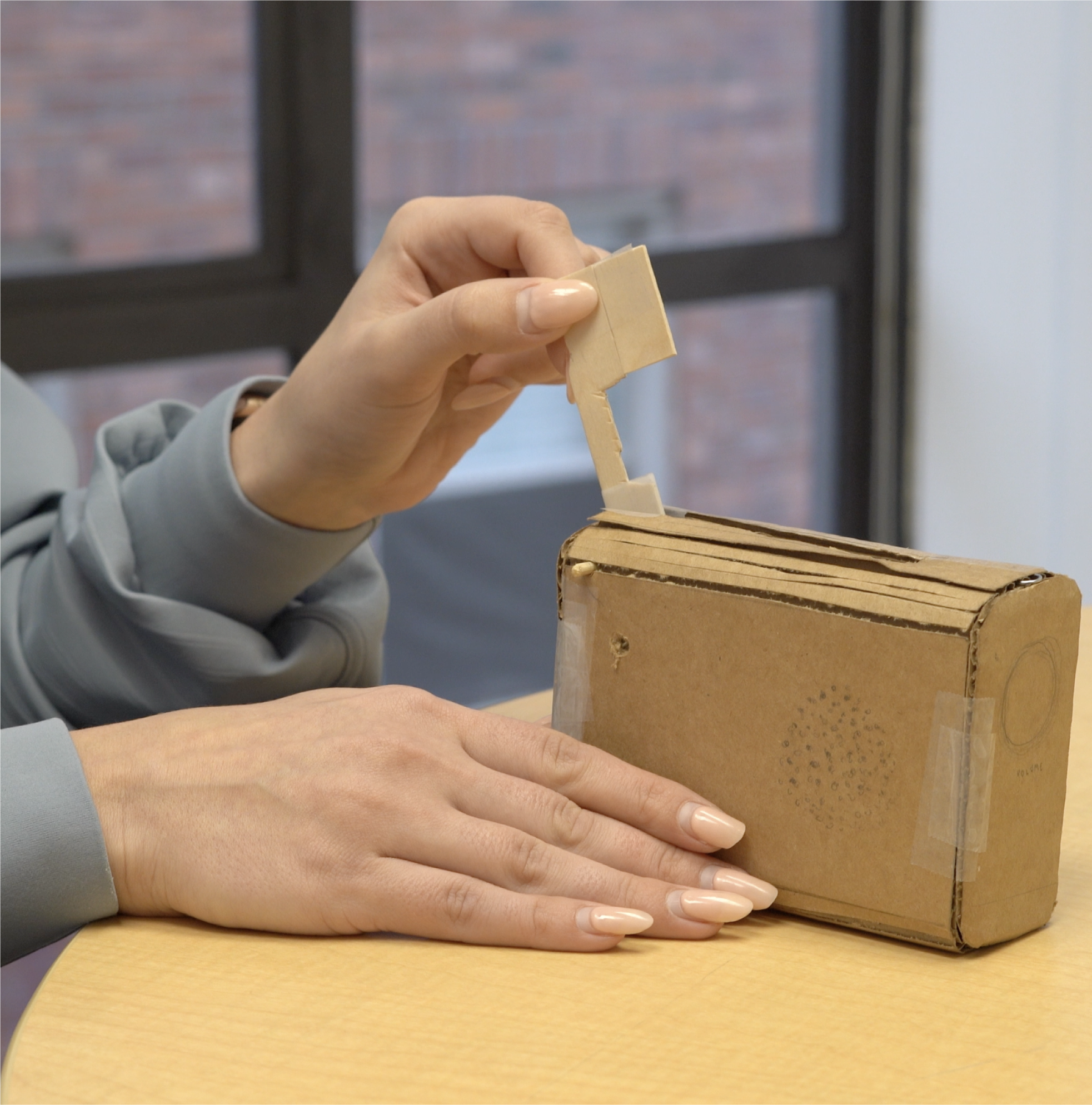
Concept sketches from our ideation sessions
Storyboard and Interaction Refinement
During the storyboard process, our team established a shared understanding of Lovebytes and its functionality, refining the feature set while exploring different use cases. The storyboard served as a visual narrative that helped us understand the user journey and interactions with Lovebytes, mapping out various scenarios and considering different contexts, user needs, and potential challenges.
Lovebytes' initial video draft introduces the core idea before getting into the device itself — an early, rough look at where the concept could go.
Initial video draft introducing the core concept
Low-Fidelity Prototype
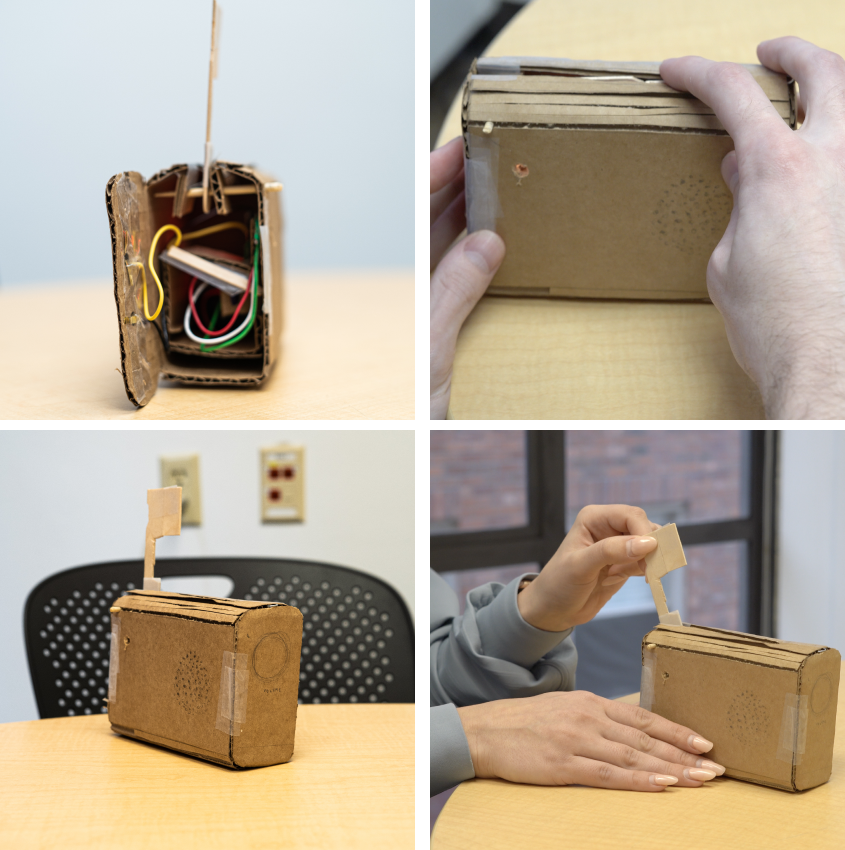
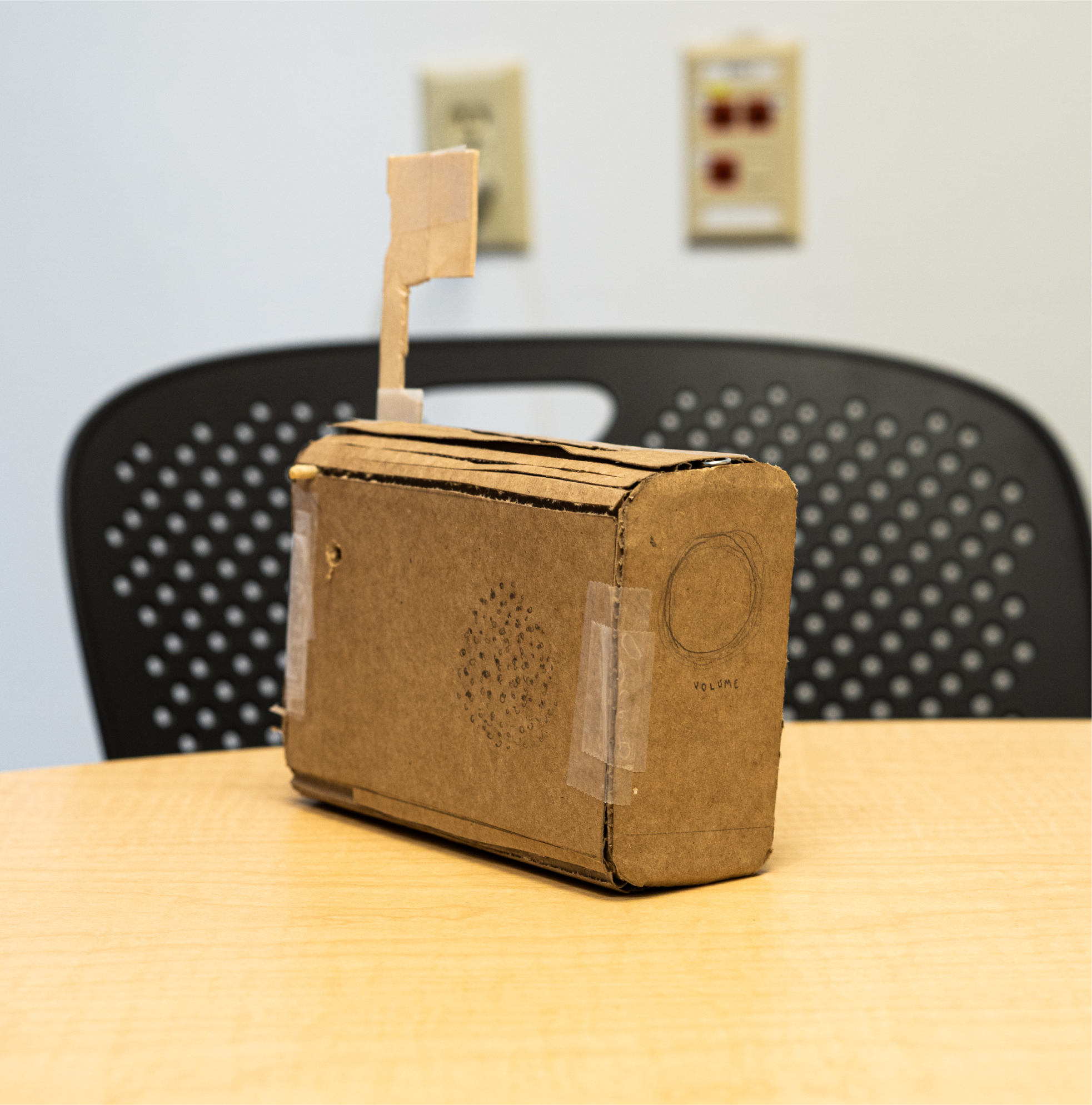
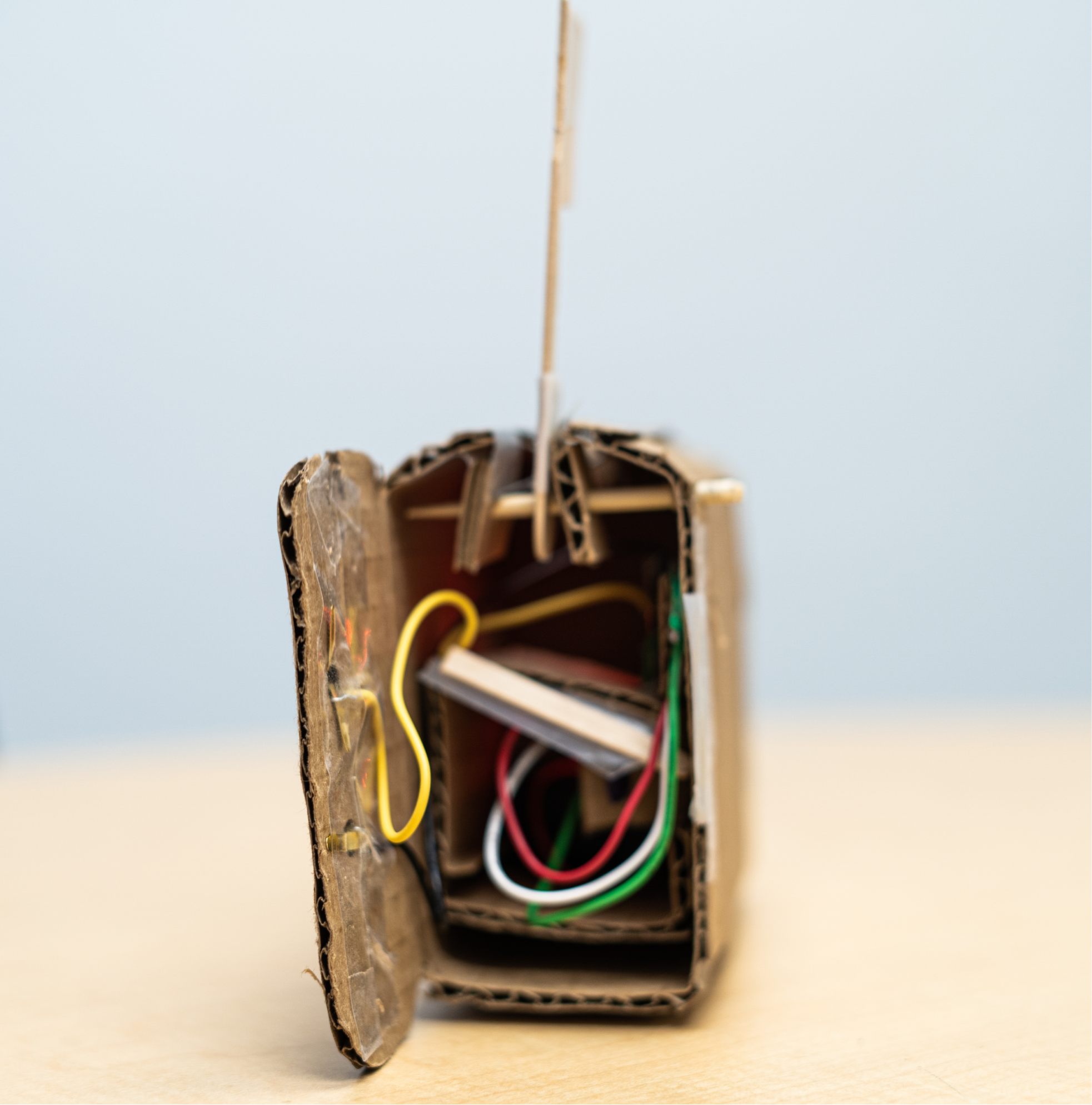
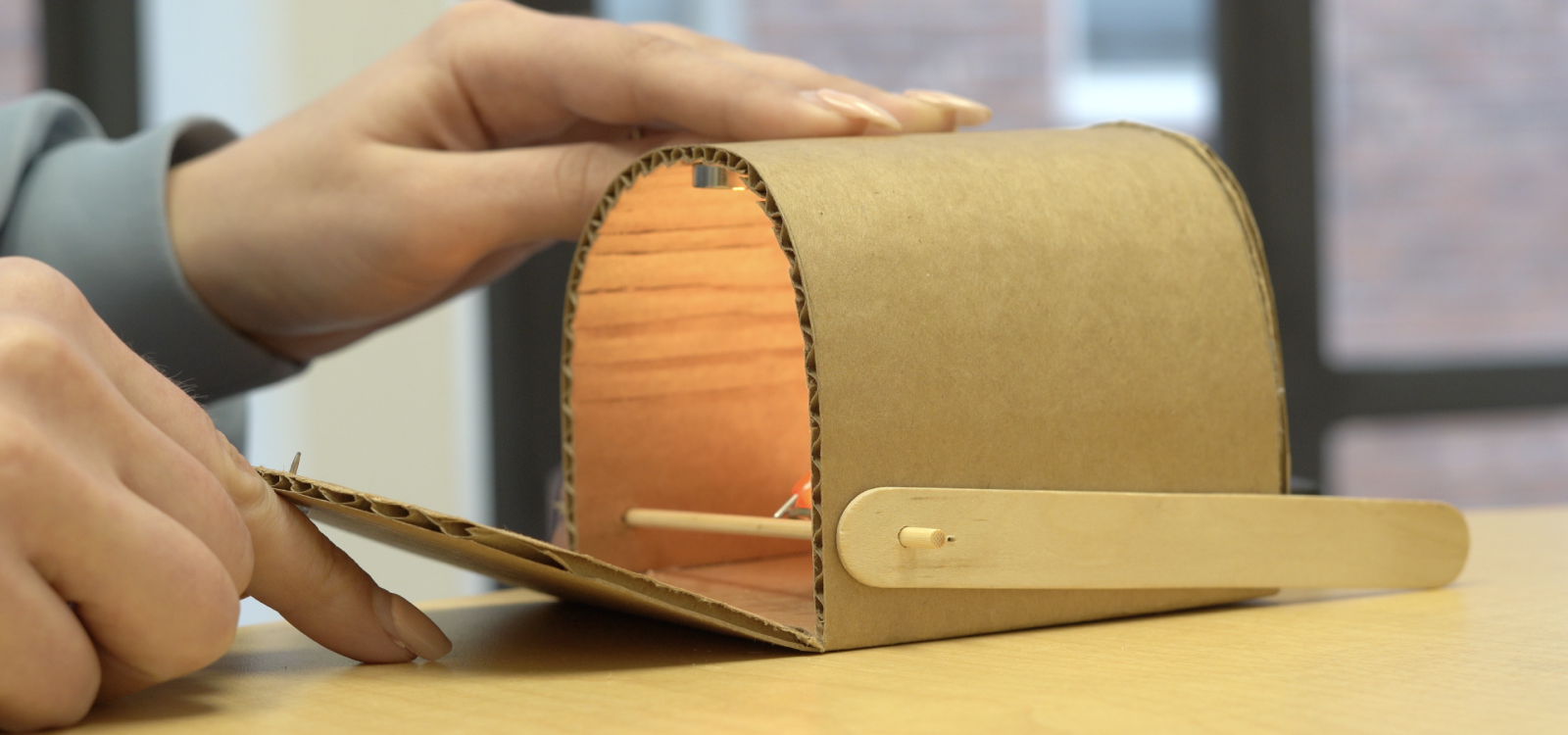
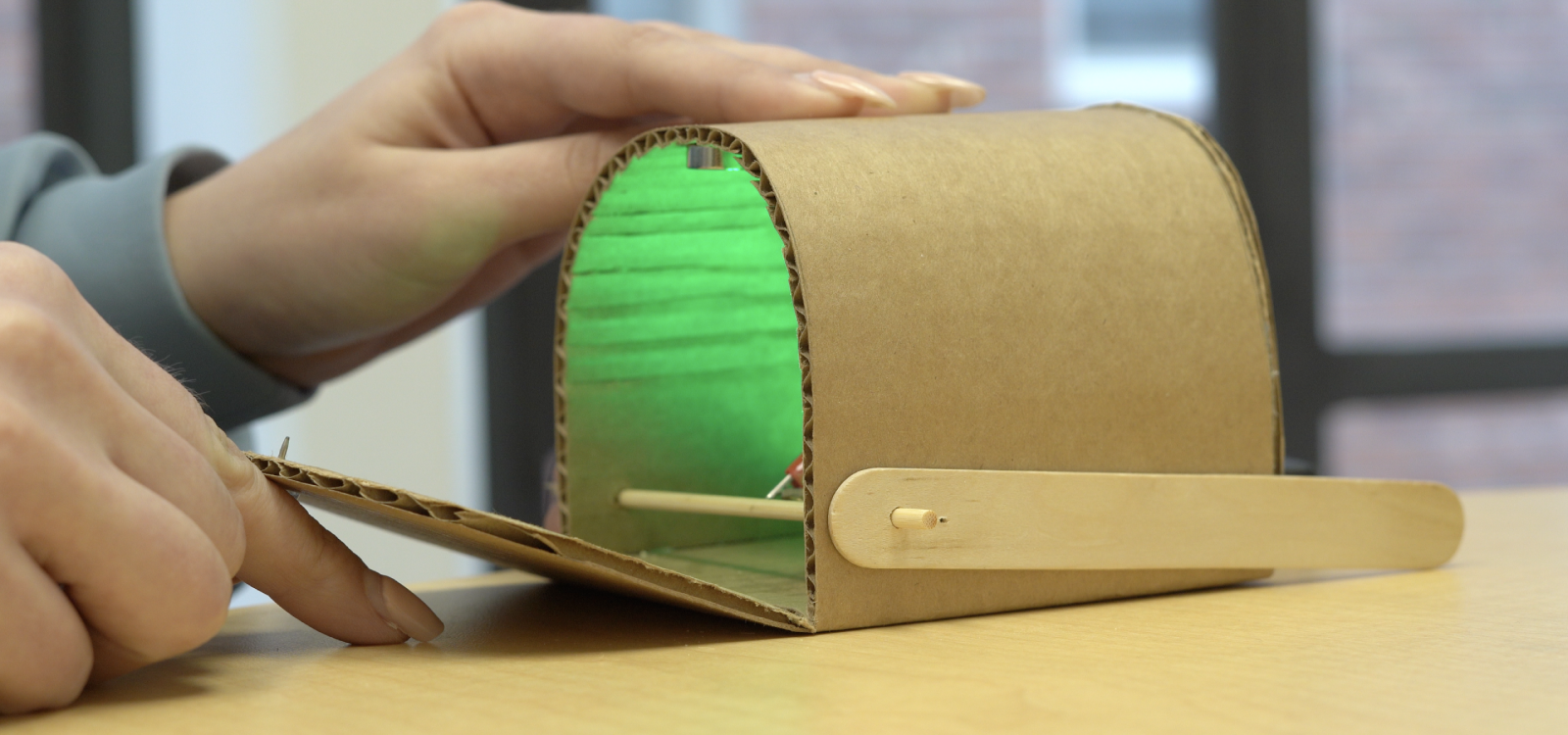
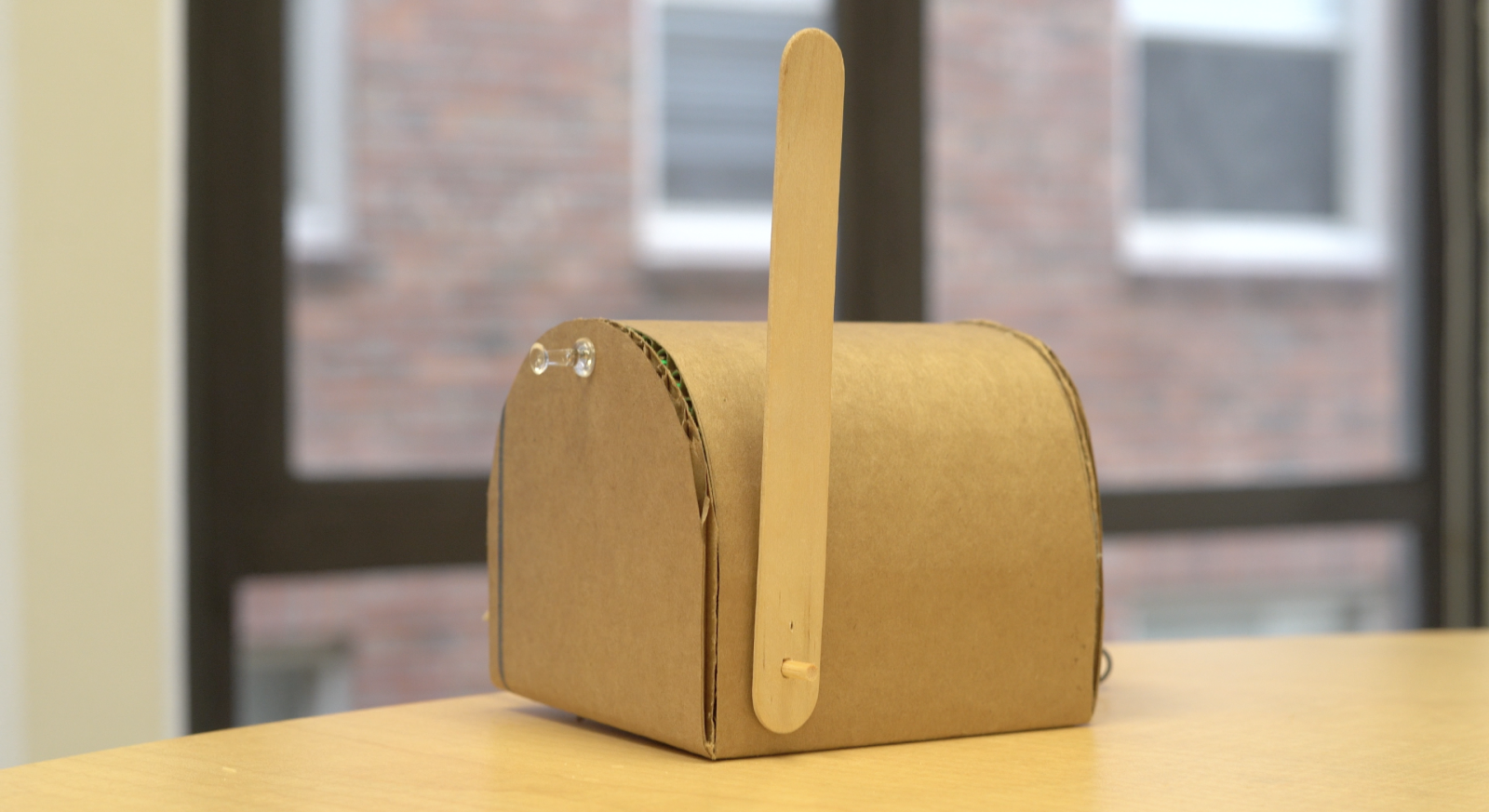
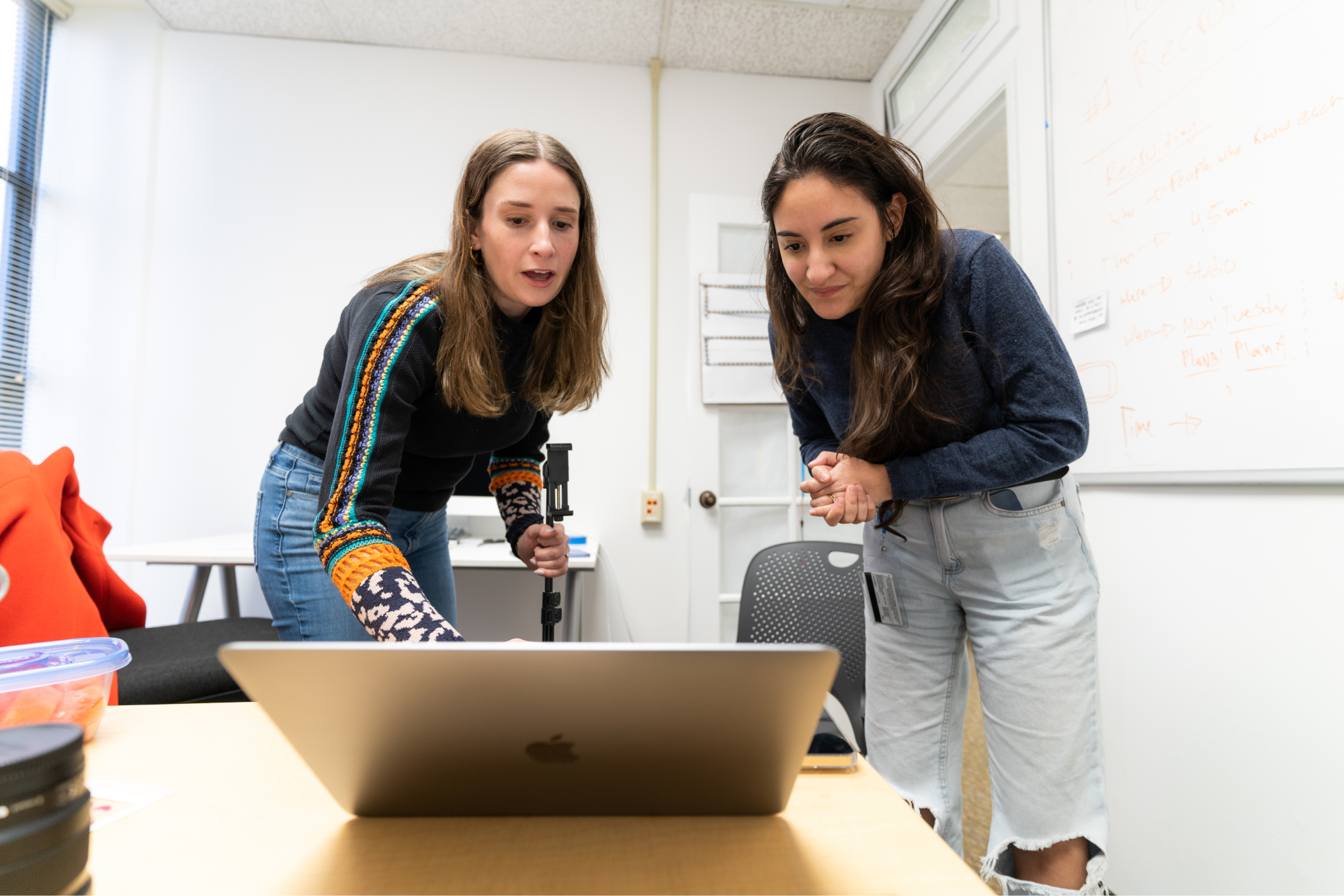
Goals: determine the feature set, trial various notification methods, and explore form. We decided to explore both a mailbox and a radio form. Test findings: at this phase, the device only recorded audio, and that wasn't enough for couples to feel connected.
I worked through the logistics of the feature set, checking requirements against specs to make sure the form factors we picked could actually support what we wanted. I also tested notification methods using the Adafruit Circuit Playground Express (CPX)'s sensors, lights, and sounds to find something that fit naturally with the form factor.
Mid-Fidelity Prototype
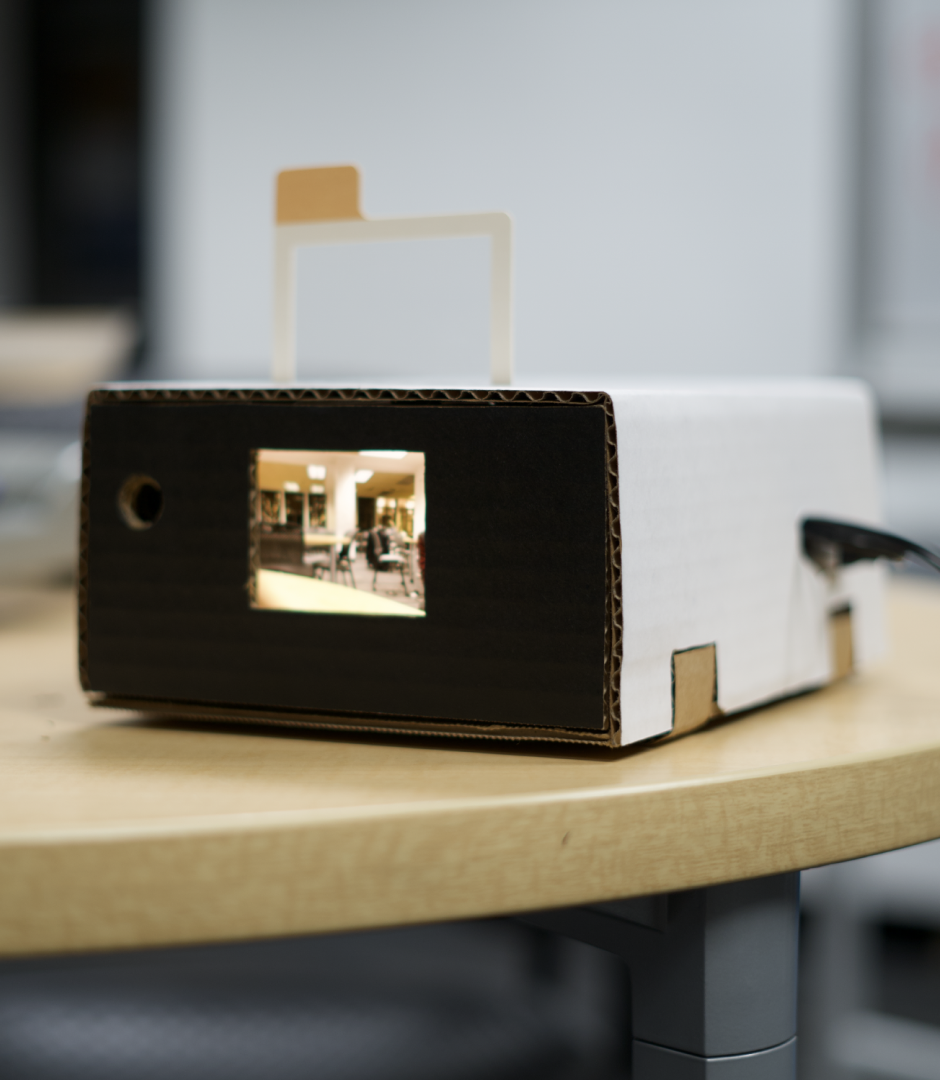
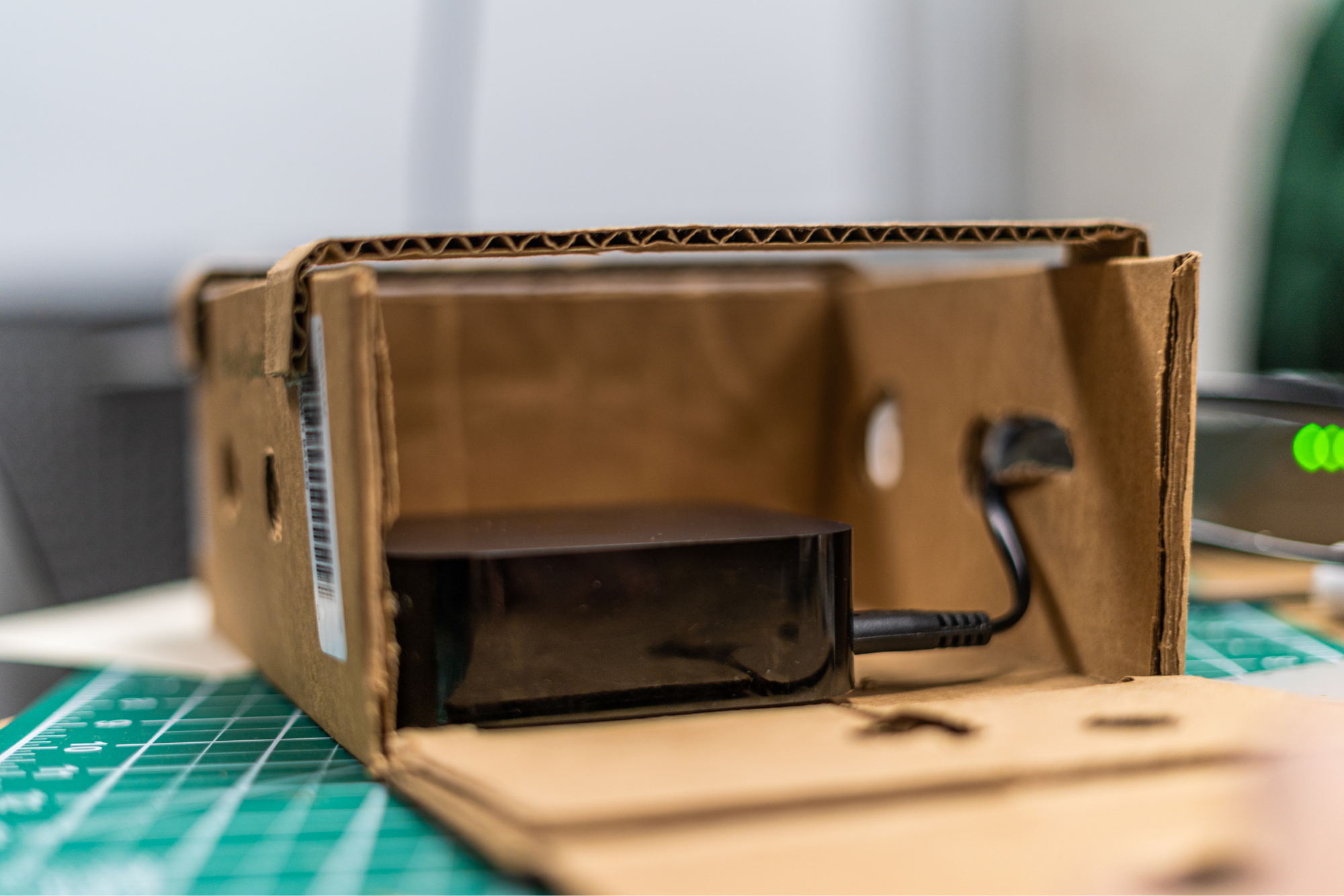
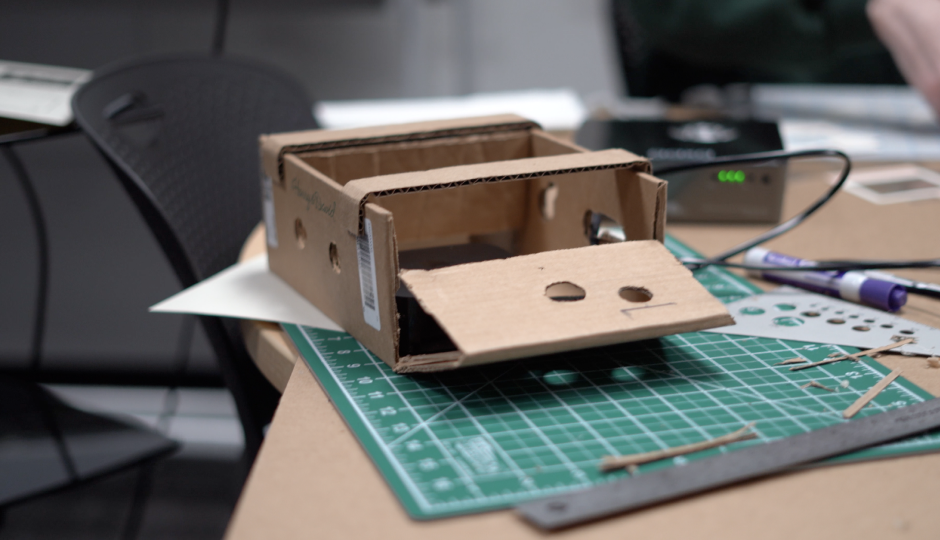
Goals: gauge target participants' reactions and attitudes toward video playback and recording, determine the value of incorporating handwritten elements, and further explore form.
Design actions: give the device an analog look and offline functionality, prioritize saving handwritten cards, enable easy video review with adjustable camera angles, and opt for subtle, non-urgent notifications.
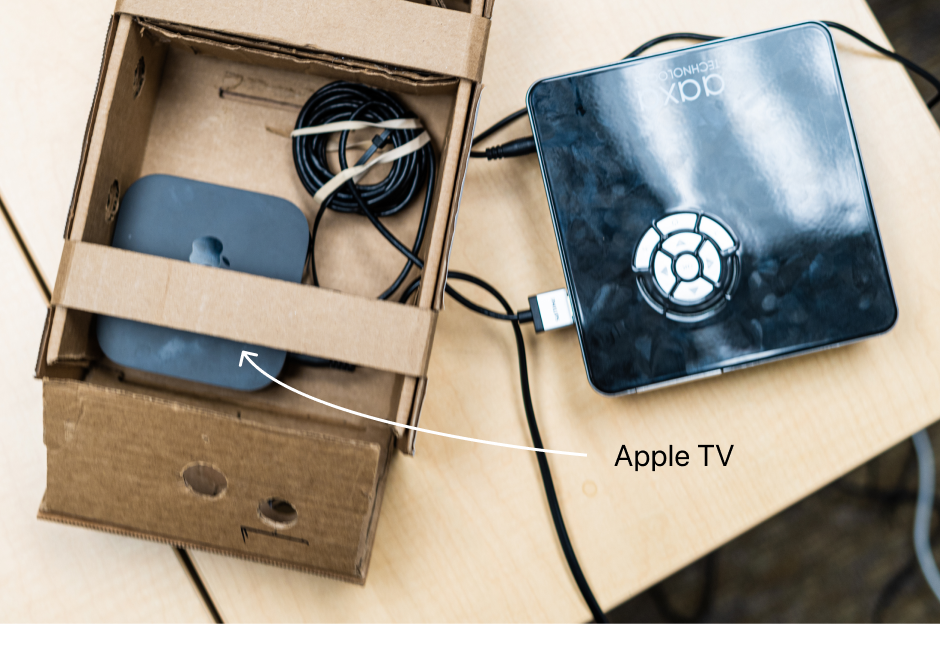
Test findings: participants valued the device's analog aesthetics and appreciated handwritten notes for their meaningfulness. They were somewhat reluctant to record their own videos but enjoyed watching their partners' videos, and preferred subtle notifications. We used the Wizard of Oz prototyping technique to test whether our assumptions about the self-contained, offline device were correct.
High-Fidelity Prototype
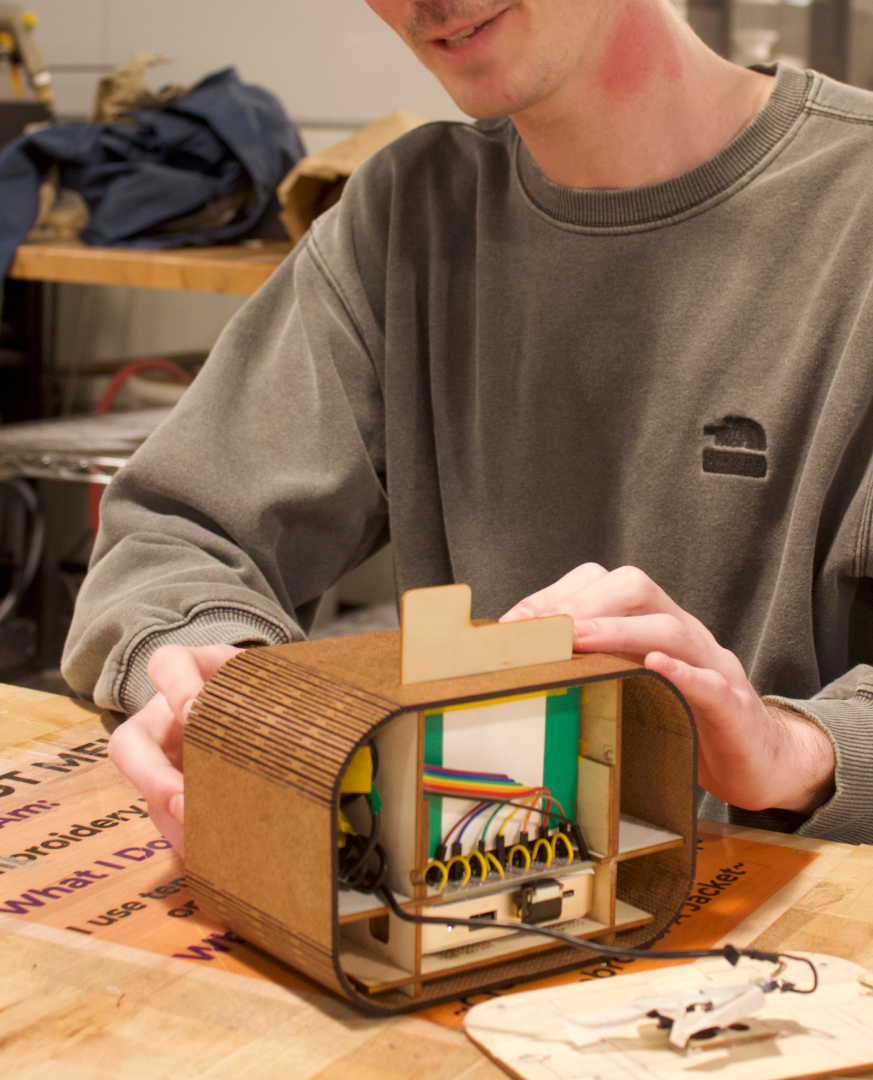
Goals: observe users interacting with a fully functioning prototype, and validate form and sound design.
Design actions: systematically identify and eliminate the factors causing user hesitation when lifting the device, experiment with video capture preview methods that align with the device's analog aesthetic (like a reflective surface), and consider a closer method for monitoring video capture near the device's camera.
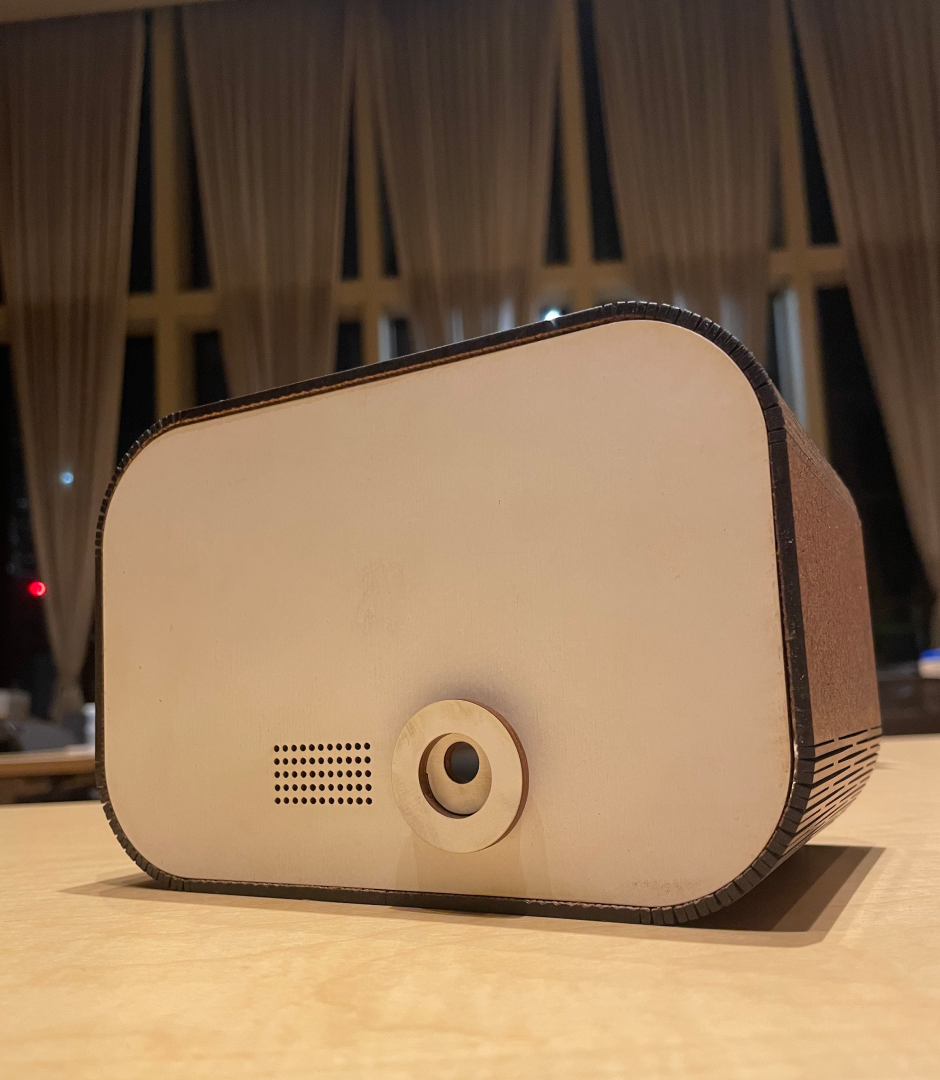
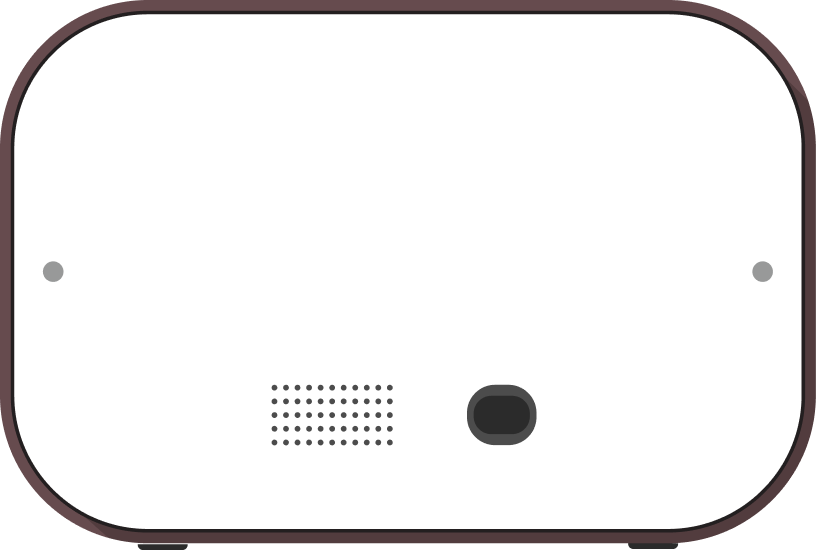
Test findings: Lovebytes was well-received for its unique features and discrete design, but participants felt uncomfortable lifting the device without verbal guidance, videos often started with their shirts since there was no way to preview before recording, and visual feedback during recording was hard to interpret. Based on this, we downsized the form factor, removed the screen, and iterated on the card to allow for handwriting.
My main focus during this phase was writing the software for the Raspberry Pi, aiming for video quality good enough that it actually felt like watching a message from someone, not just a low-res clip.
Aftermath
Our 10-week prototyping class was built around getting proficient with rapid prototyping, and this project pushed us to actually do that — we set an ambitious scope and mostly delivered on it.
I picked up soldering, laser cutting, and extended my programming skills into hardware integration for the first time. The biggest lesson, though, was about testing: Lovebytes looked good, but watching real users struggle with it made clear how much still needed work.
Looking back, a lot of the usability problems we hit with the high-fidelity prototype could have surfaced earlier with cheaper, faster tests. The team's still into the core idea, and there's a clear list of what to try next based on that last round of testing.